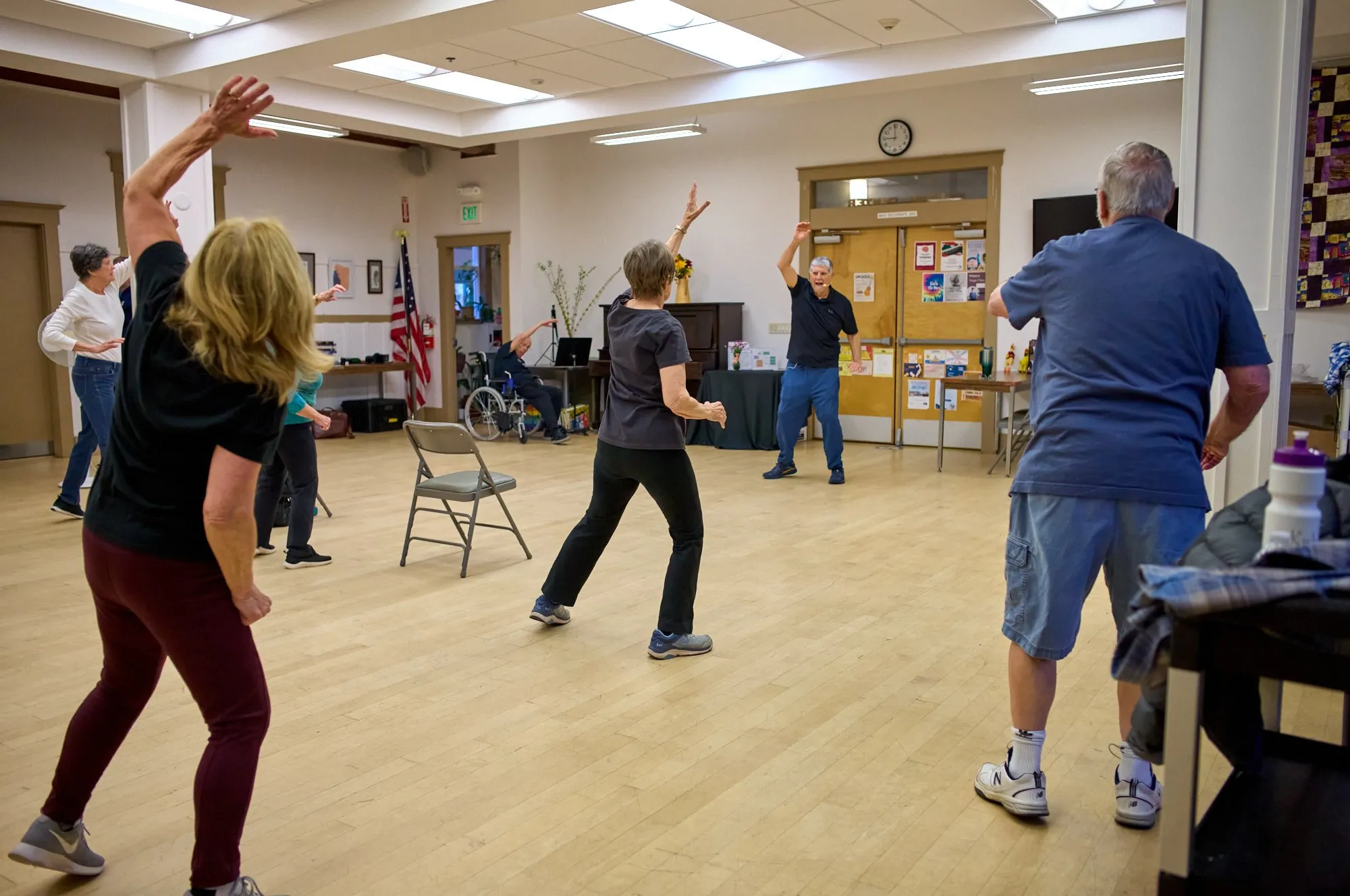
Hydrology-forward bike traverse
Corridor briefings prioritize soil moisture trends and braking windows. Riders receive printable cue sheets—not alarmist alarms.
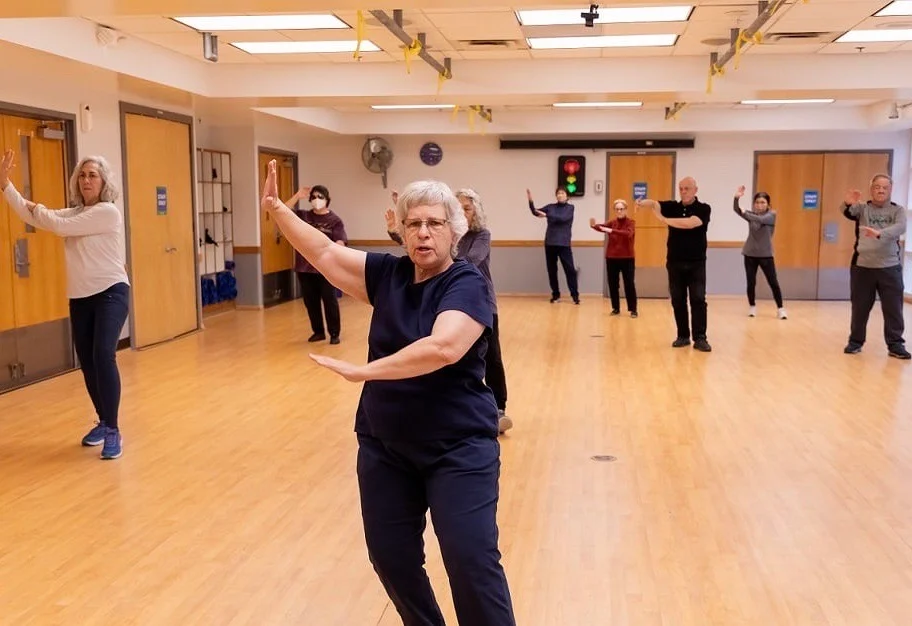
Each itinerary layers cartographic scaffolding, humane pacing cues, and clearly stated responsibilities—shared so teams can deliberate without noise or urgency tactics.
Architectural kinetic grid
Operational notes stay tied to topography, hydration cadence, and explicit communication windows. Coordinators circulate updates when wind patterns or access roads shift—not as a scare tactic, but as factual route hygiene.
Our visual language merges glass panels, monochrome vectors, and crisp tracking numbers so dispersed teams glimpse the full context before boots ever hit soil.
Adaptive intensity scaffolding
Tune two calibrated axes below. Outputs describe preparatory arcs in general terms—they are logistical references, not commitments about personal outcomes.
Corridor briefings prioritize soil moisture trends and braking windows. Riders receive printable cue sheets—not alarmist alarms.
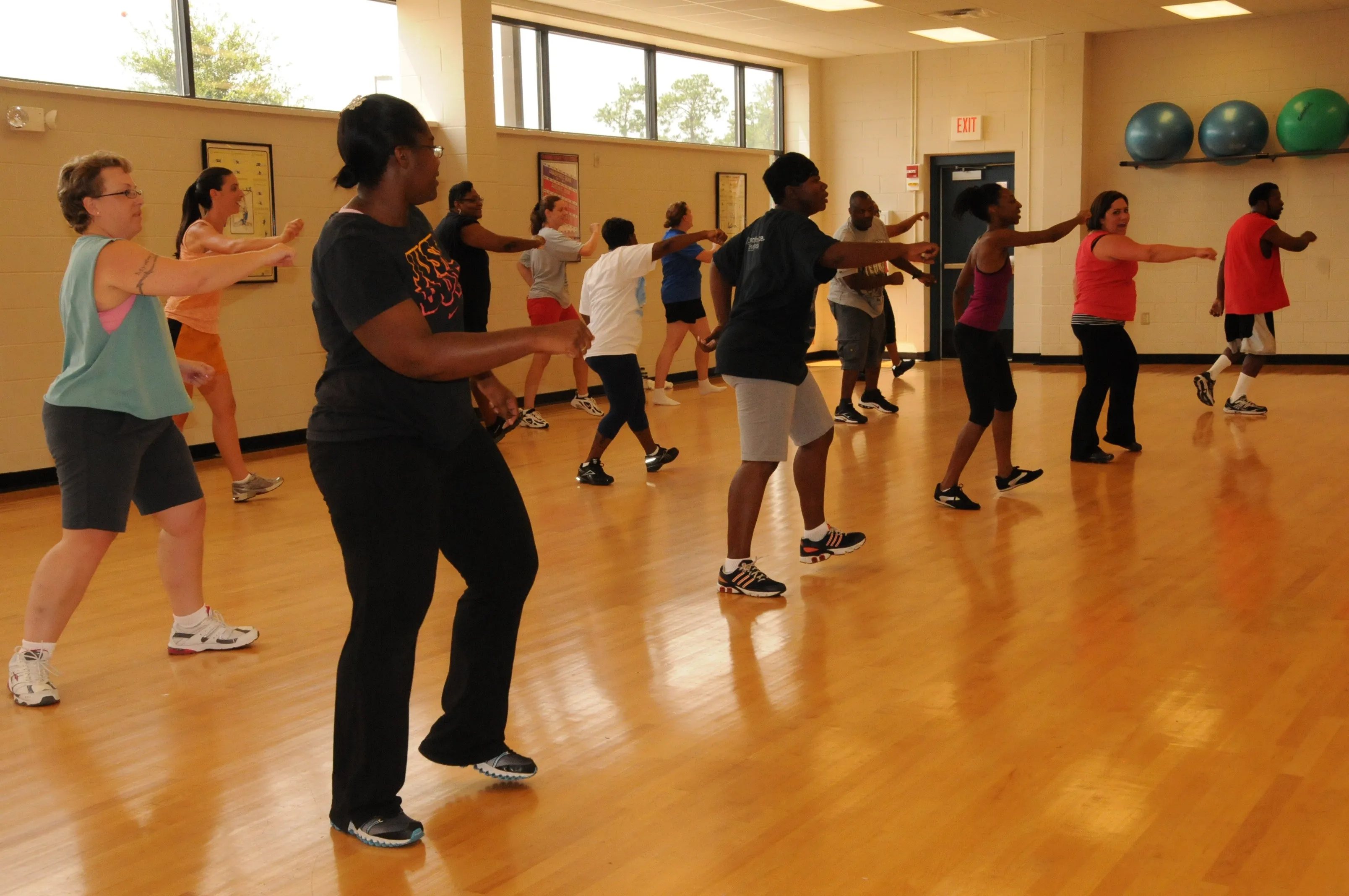
Twilight navigation labs pair reflective tape placement with calm communication drills tailored to prevailing wind chatter.
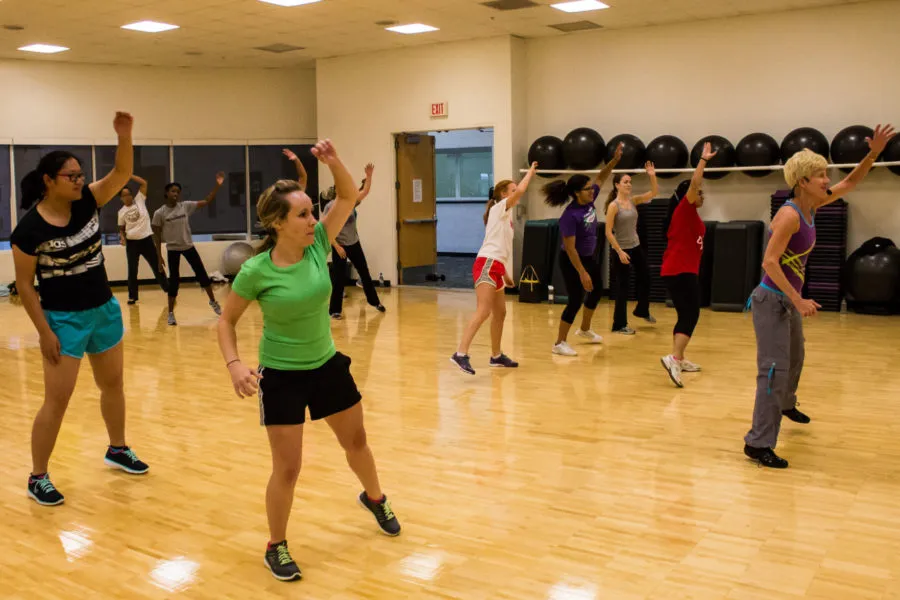
Coordinators circulate wave-height annotations and shoreline protocol without dramatizing conditions. Participant comfort questions route to impartial reference materials.
Route stewardship ethos
We publish revision logs for each itinerary—including what changed, why it changed, and who approved the edit. Silence is not our default stance when alpine passes ice over or canyon access receives temporary stewardship limits.
Operational visibility
Voice, mail, and on-site visitation details appear on the Reach page, mirrored inside legal disclosures. Coordinators acknowledge messages during published service hours without automated guilt language.